October 16, 2026
A Connoisseur's Guide to Potent Honey Oil: What Makes a Top-Shelf Concentrate
By @mypotenthoneyoilpress
What Is Honey Oil and Why Does Potency Matter?
Honey oil has earned a loyal following among concentrate enthusiasts for its golden color, smooth consistency, and rich cannabinoid profile. Unlike traditional wax or BHO, which can vary widely in purity, a properly made honey oil concentrate delivers a clean, flavorful experience. But not all honey oil is created equal. The term "potent honey oil" gets thrown around a lot, but what separates a truly high-grade product from something that just looks the part? It comes down to three things: the starting material, the extraction method, and the lab testing that backs up the numbers.
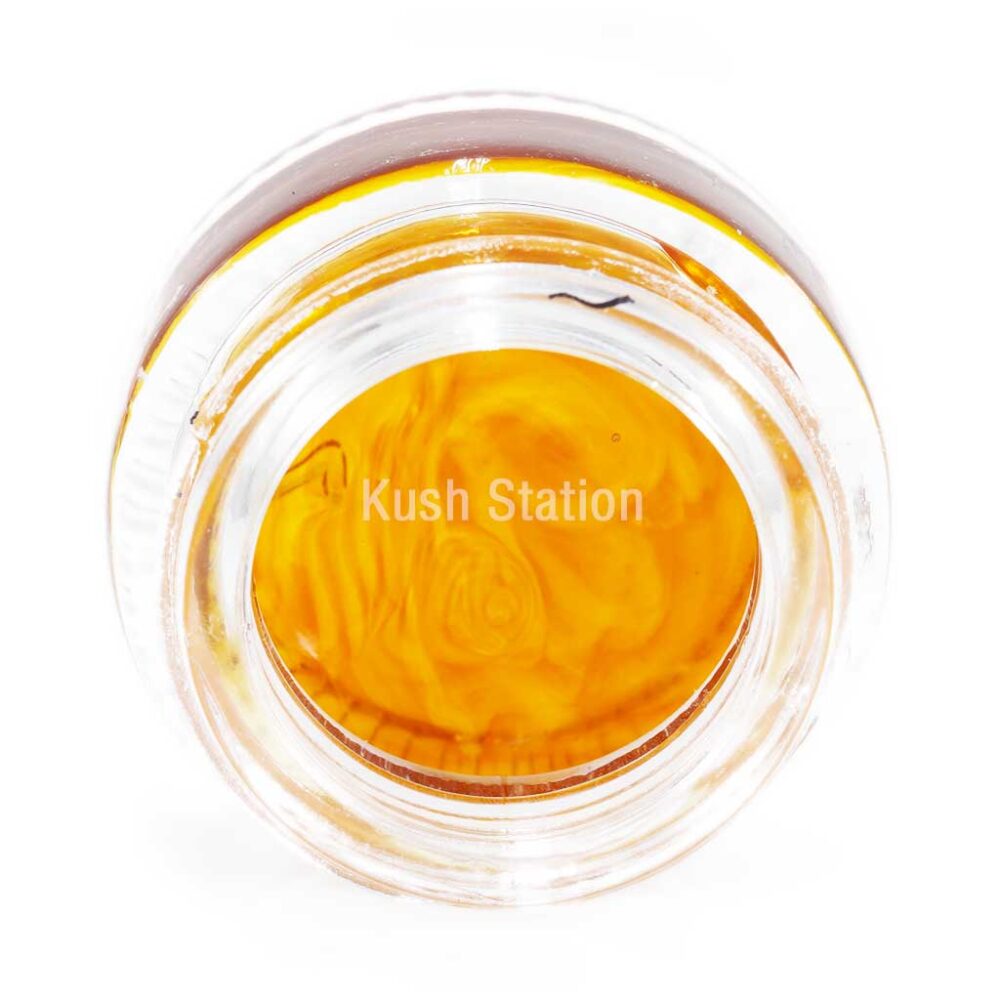
I have been dabbing for years, and I have tried everything from budget BHO to small-batch live resin. The difference between a middling concentrate and a potent honey oil is night and day. A well-made honey oil should have a distinct terpene profile that carries through from the first hit to the last. When you pop the jar open, you should smell the strain, not just a generic "weed" scent. That is the sign of good preservation of the volatile compounds that make cannabis special.
How Extraction Method Shapes Potency
The extraction method is the single biggest factor in determining how much THC and other cannabinoids end up in the final product. Live resin, for example, is made from freshly harvested plants that are frozen immediately after harvest. This preserves the delicate trichomes and terpenes, resulting in a concentrate that tastes closer to the living plant. Nug run, which uses only the flower buds rather than trim, also contributes to a cleaner, more flavorful output. Both of these methods can yield a potent honey oil, but the real game-changer in recent years has been CO2 extraction.
CO2 extraction uses carbon dioxide under high pressure to separate cannabinoids from plant material. It is solventless, meaning no ethanol or butane ever touches the plant matter. For people who are sensitive to residual solvents or who simply want the cleanest product possible, CO2 extraction is a gold standard. The resulting honey oil tends to have a very high potency because CO2 is selective about what it pulls. It grabs THC and other desirable cannabinoids while leaving behind chlorophyll and other plant waxes that can muddy the flavor and reduce purity. I have tried solventless concentrates made with CO2, and the clarity of the high is noticeably different. It feels cleaner, more focused, and the flavor lingers in a way that cheaper extracts cannot match.
Reading the Numbers: Lab Testing and Potency
Lab testing is not just a marketing buzzword. It is the only way to know for sure what you are putting in your body. A reputable producer will have their honey oil tested for THC percentage, cannabinoid profile, and residual solvents. They should also check for microbial contaminants and heavy metals. When you see a batch of potent honey oil that lists its THC content at 80% or higher, that number came from a gas chromatograph or HPLC in a certified lab. Without that data, you are buying blind.
I remember buying a jar of "premium" honey oil from a local shop that had no testing information. It looked good, smelled decent, but the effects were weak and short-lived. When I finally found a brand that posted their lab results online, the difference was obvious. That transparent brand's product was a potent honey oil that delivered consistent effects every time. The lab testing also helps with consistency across batches. If you find a strain you love, you want to know that the next jar will hit the same way. Lab testing makes that possible.
Choosing a Strain and Matching Your Setup
Strain selection matters a lot with honey oil. Because the extraction concentrates the plant's chemical profile, the differences between Indica, Sativa, and Hybrid strains become even more pronounced. A Sativa honey oil might give you an uplifting, energetic experience, while an Indica can be deeply relaxing. Some people swear by Kush strains for their earthy, piney terpene profile, which translates beautifully into a live resin honey oil.
The equipment you use also plays a role. A dab rig with a quartz banger is the classic way to enjoy honey oil. You heat the banger, let it cool to the right temperature, and drop in a small dab. Too hot and you burn off terpenes, losing flavor and potentially creating harsh vapor. Too cool and the concentrate may not fully vaporize. A good vaporizer with a concentrate chamber can also work, especially if you want a more portable experience. Some modern vaporizers have precise temperature control, which lets you dial in the perfect hit for your honey oil.
If you are new to dabbing, start low and slow. A tiny grain of rice-sized dab is enough to gauge potency. Even a single hit from a potent honey oil can be surprisingly strong, especially if you are used to smoking flower. Respect the concentrate, and it will reward you with a clean, flavorful experience.
Comparing Honey Oil to Other Concentrates
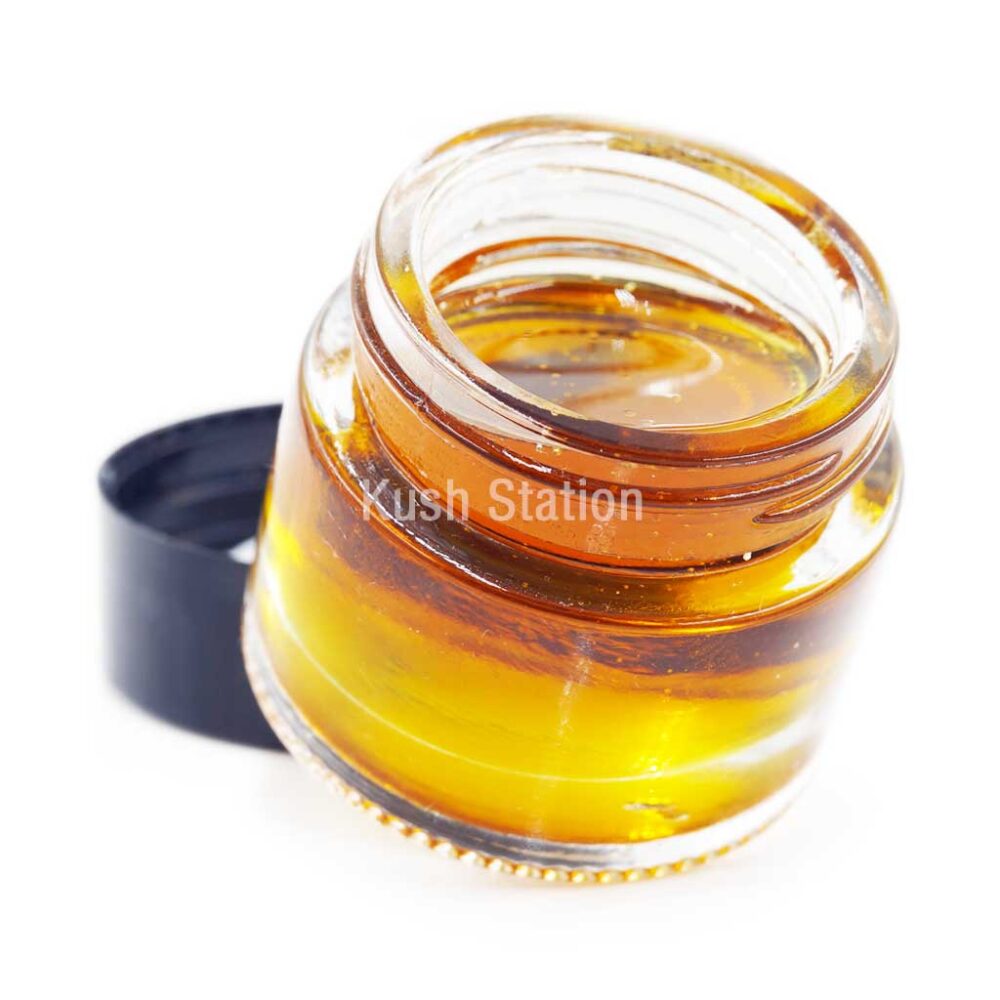
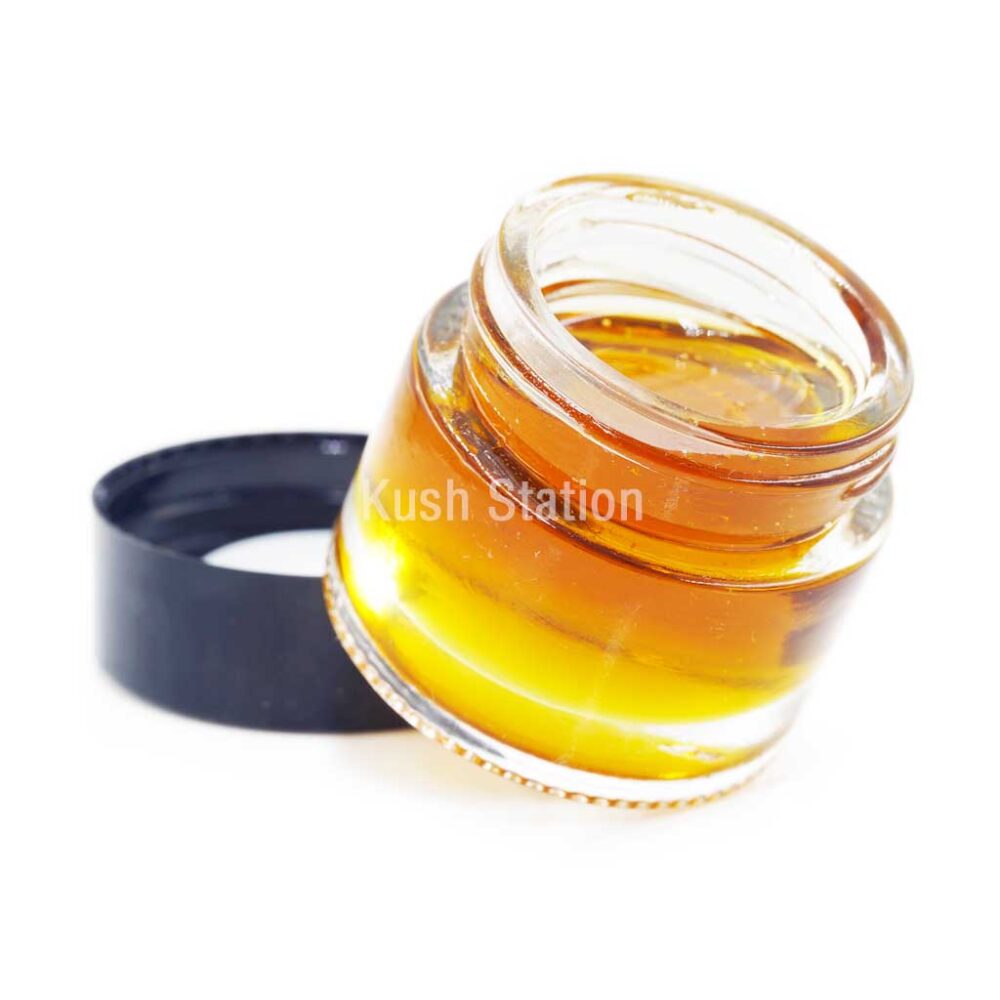
Honey oil sits in a interesting place in the concentrate spectrum. It is not as solid as wax, not as sticky as live resin, and not as runny as some BHO extracts. Its consistency is often described as a thick, golden syrup, which makes it easy to handle with a dab tool. Compared to BHO, which is often made with butane and can have a harsher taste, honey oil that is made solventless tends to be smoother on the throat. Live resin and nug run produce some of the most flavorful concentrates, but honey oil made from good starting material can hold its own.
I have had friends argue that live resin is always better, and I get the argument. Live resin does preserve more of the original plant's terpene profile. But I have also had honey oil that was made from a premium nug run of a top-shelf Kush strain, and it blew away some live resin products that were made from lower-quality trim. The starting material matters more than the label. A potent honey oil made from high-quality flower will always outperform a so-so live resin made from leftover material.
Practical Tips for Buying Honey Oil
When you are shopping for honey oil, keep these points in mind:
- Look for lab testing results that show THC percentage and a full cannabinoid profile. If the seller does not provide them, ask why.
- Check the extraction method. Solventless methods like CO2 extraction or mechanical separation are generally cleaner than chemical extraction.
- Smell the product if possible. A strong, distinct strain-specific aroma is a good sign of preserved terpenes.
- Ask about the starting material. Nug run from whole flower is usually better than trim run.
- Start with a small amount to test potency before committing to a larger purchase.
These guidelines come from personal experience and conversations with extract makers. The market has a lot of products that call themselves "potent honey oil," but the real deal stands out when you know what to look for.
The Future of Honey Oil Concentrates
The concentrate market keeps evolving. As more consumers demand transparency and quality, producers are investing in better equipment and more rigorous testing. I expect to see more solventless options and more strain-specific honey oils hitting the market. CO2 extraction is still relatively rare compared to traditional methods, but it is growing because people notice the difference. The same goes for live resin and nug run products. Consumers are getting more educated about cannabinoids and terpenes, and they are voting with their wallets for cleaner, more potent products.
If you are a concentrate enthusiast, now is a great time to explore honey oil. Whether you use a dab rig, a vaporizer, or something else, the key is finding a product that is made with care and backed by data. A truly potent honey oil is more than just a high THC number. It is a reflection of the strain, the grower, and the extractor working together to preserve the plant's full chemical complexity.
❧